Boat Trailer Maintenance Basics
Most trailer failures trace back to one of four things. Here's what to actually check.
By Boat Ramp US Editorial Team · Last reviewed July 11, 2026
A boat trailer spends most of its life sitting still and gets dunked in water every time it's actually used - which is a rougher combination than it sounds. Most trailer breakdowns trace back to one of four things: bearings, tires, wiring, or the winch strap. None of them take long to check. This is about the maintenance rhythm between trips - for what to run through right before you actually leave, see our boat trailer pre-launch checklist.
Wheel bearings
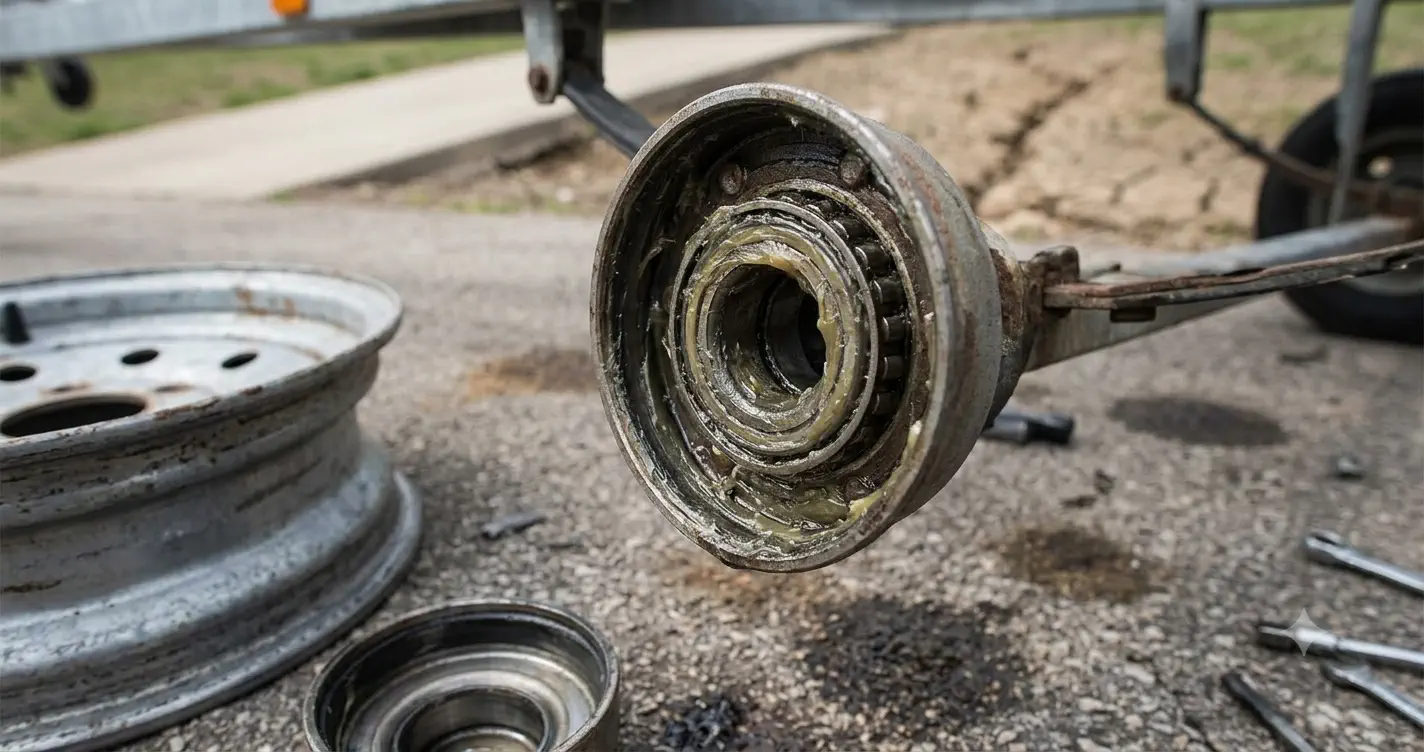
Submerging a hot bearing in cool water (launching right after a highway drive) is one of the more common ways water gets past the seal and into the hub - and a bearing running with water-contaminated grease can fail without much warning. Spin each wheel by hand when the trailer's jacked up and feel for grinding or roughness, and check for play by grabbing the tire at 12 and 6 o'clock and rocking it - noticeable movement usually means it's time for a repack or a new bearing, not a "keep an eye on it."
Tires
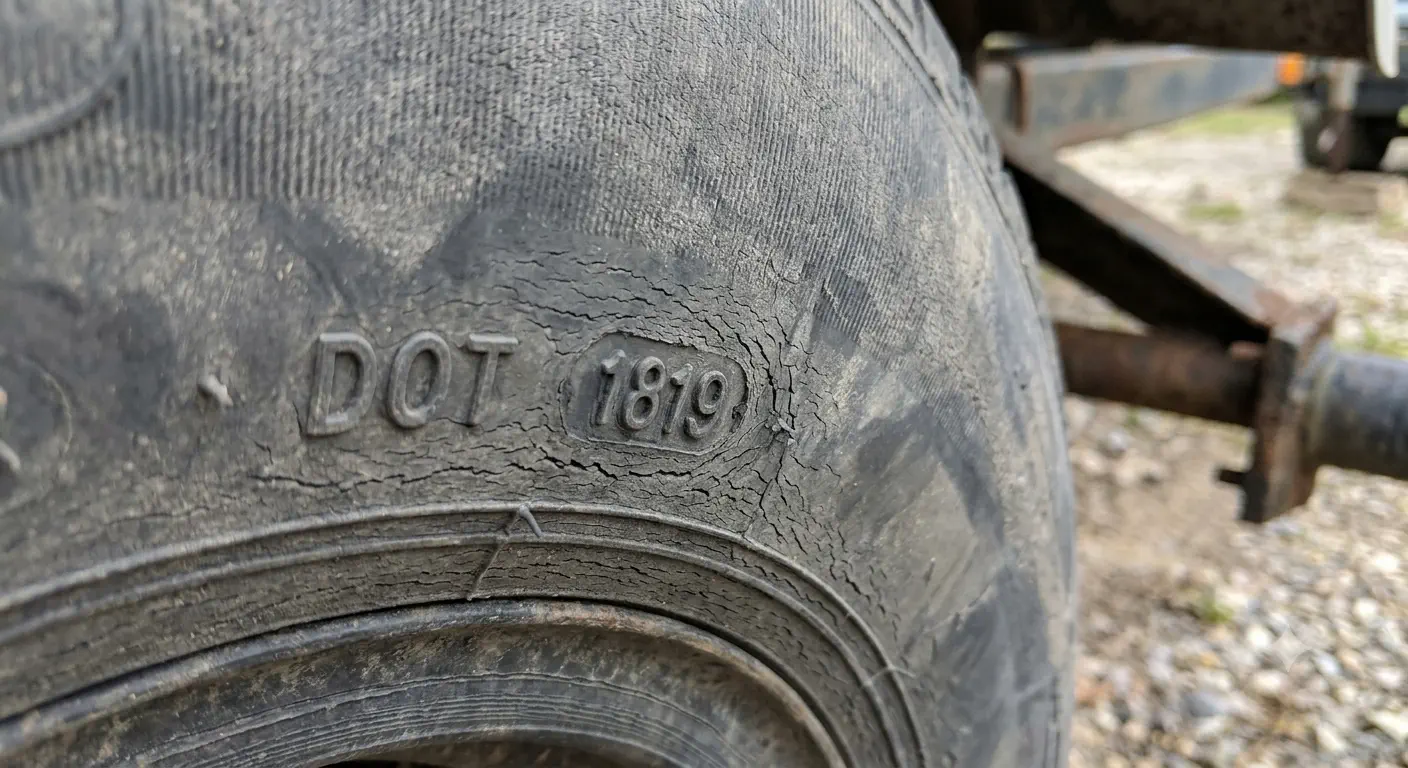
Trailer tires fail from age and sun exposure at least as often as they fail from tread wear, since many trailers put on far fewer miles per year than a car. Check the manufacture date code on the sidewall along with the tread and look closely for sidewall cracking (often called "weather checking") - that's a sign of a tire that needs replacing regardless of how much tread is left.
Gear tip: A tire pressure monitoring system (TPMS) catches a slow leak or an overheating tire on the highway, long before it becomes a blowout at 65 mph - worth the investment if you tow often or drive long distances to reach the water.
How to choose: match the sensor count to your setup (4 for a single axle trailer, more if you're running dual axles or towing multiple trailers), and check the PSI range covers your trailer tire's actual pressure rating, not just a car's typical range.
Lights and wiring
Trailer wiring runs low to the road and gets more exposure to water, salt, and road spray than almost anything else on the trailer. Corroded ground connections are the most common cause of intermittent or partial light failure - check the ground wire connection point for corrosion, not just the bulbs themselves, since a bad ground can make working bulbs look like a wiring problem.
Gear tip: Marine-grade dielectric grease on every wiring connection point (bulb sockets, ground points, the trailer plug itself) meaningfully cuts down on corrosion-related light failures - cheap insurance against the most common trailer problem there is.
Winch strap and cable
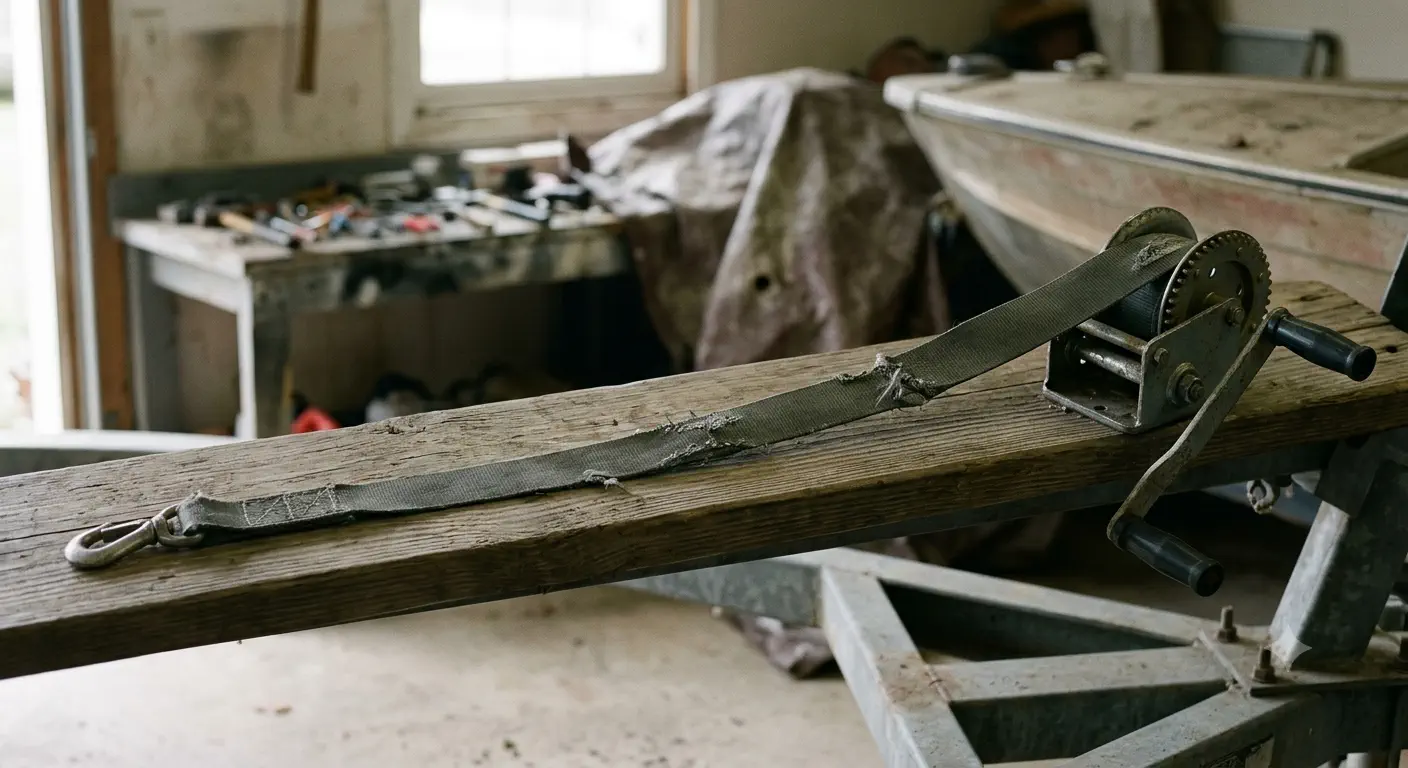
Check the winch strap (or cable) for fraying, cuts, or UV damage along its full length, not just the part you normally see - the section that stays wound on the drum degrades more slowly than the part exposed to sun, so inspect it unwound. Also check the hook and the attachment point at the bow eye for wear, since that's the part carrying the full load the moment the boat starts to float.
A simple rhythm that covers most of it
- Every trip: lights, tire pressure, hitch and safety chains.
- Every few trips: bearing play (the hand-rock test), winch strap condition.
- Once or twice a season: repack or inspect bearings properly, check brake components if the trailer has them, and give the whole frame a look for rust at welds and joints.
None of this is complicated on its own - it's mostly about not letting a small, cheap-to-fix issue turn into a breakdown at the ramp, which is always a worse time and place to discover it.