Boat Ramp Etiquette: What Every Boater Should Know
The ramp itself is usually fine. It's the line behind you that has opinions.
By Boat Ramp US Editorial Team · Last reviewed July 11, 2026
Boat ramp etiquette isn't written down anywhere official, but everyone who's waited in a line on a busy Saturday morning knows exactly what breaks it. Most of it comes down to one idea: do your prep off the ramp, and do your launch or retrieval on it - quickly.
Before you're in line
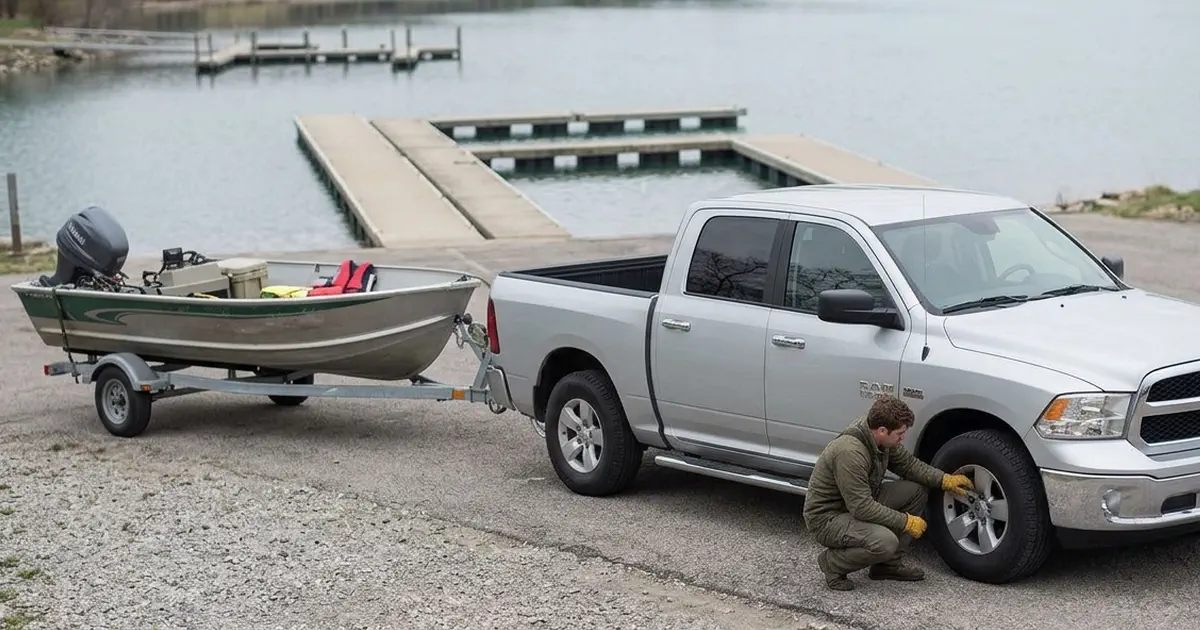
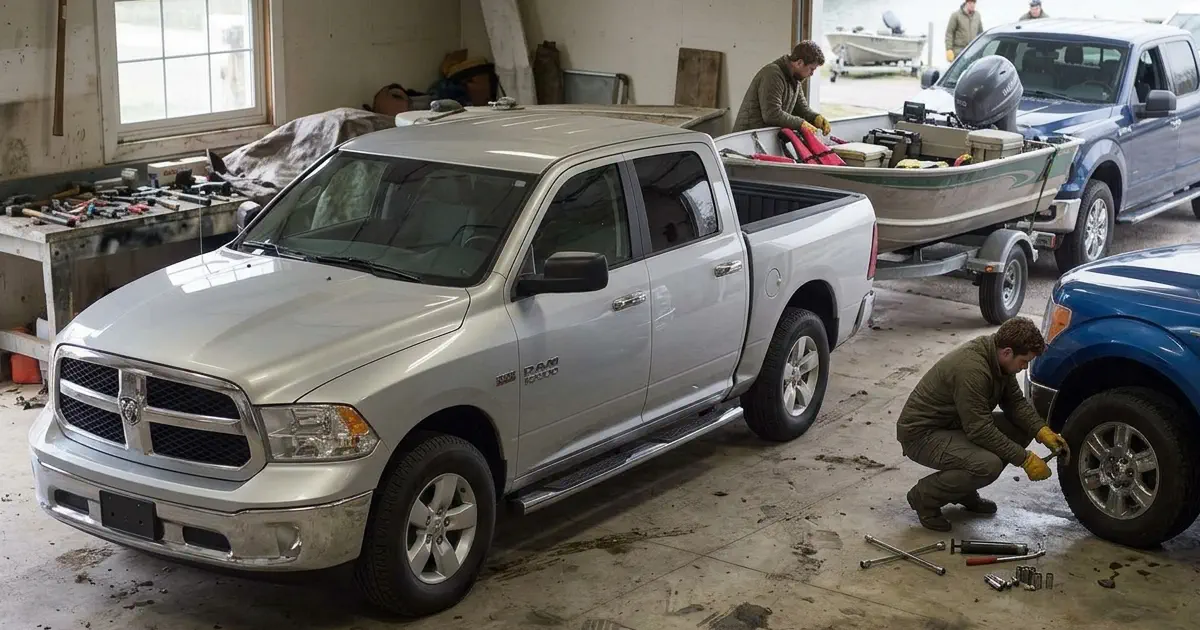
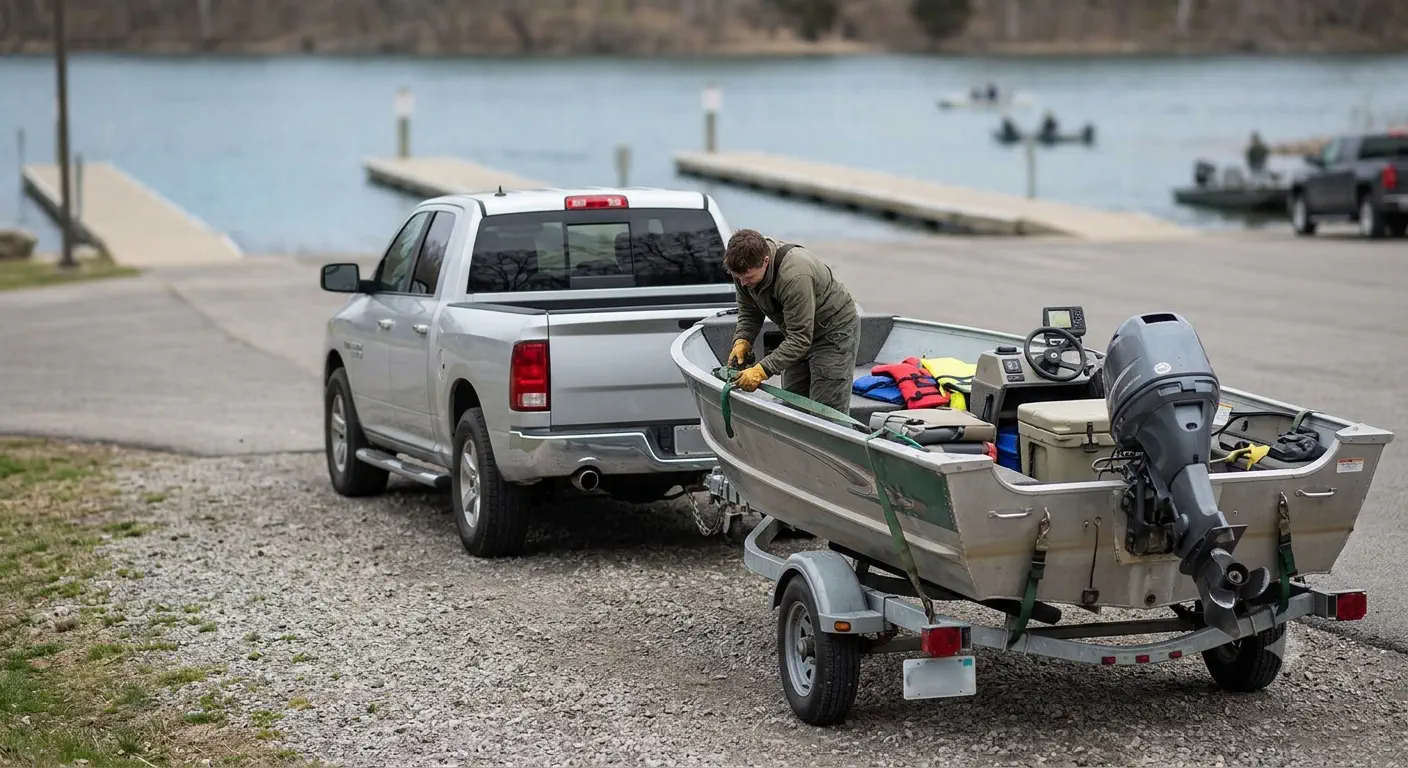
Rig your boat, load your gear, and take off the transom straps and tie-downs before you pull up to the ramp lane - ideally in a parking area or staging spot away from the actual launch lanes. If there's a line behind you, the ramp lane is not the place to be putting on life jackets or looking for keys. (See our boat trailer pre-launch checklist for the full rundown.)
At the ramp
Launching
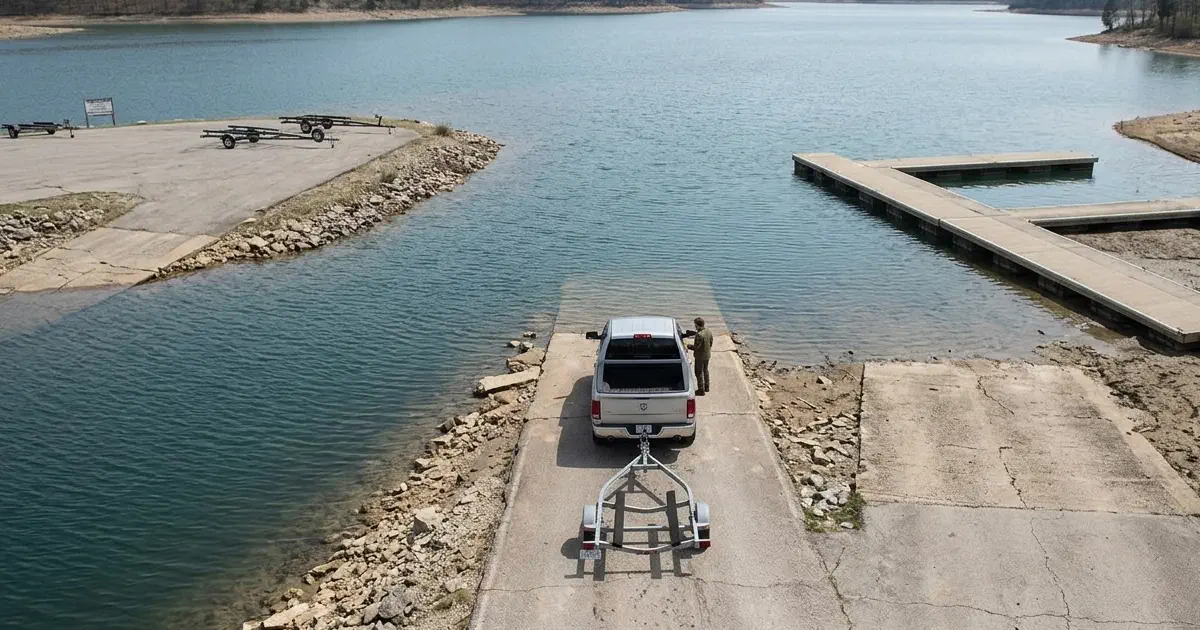
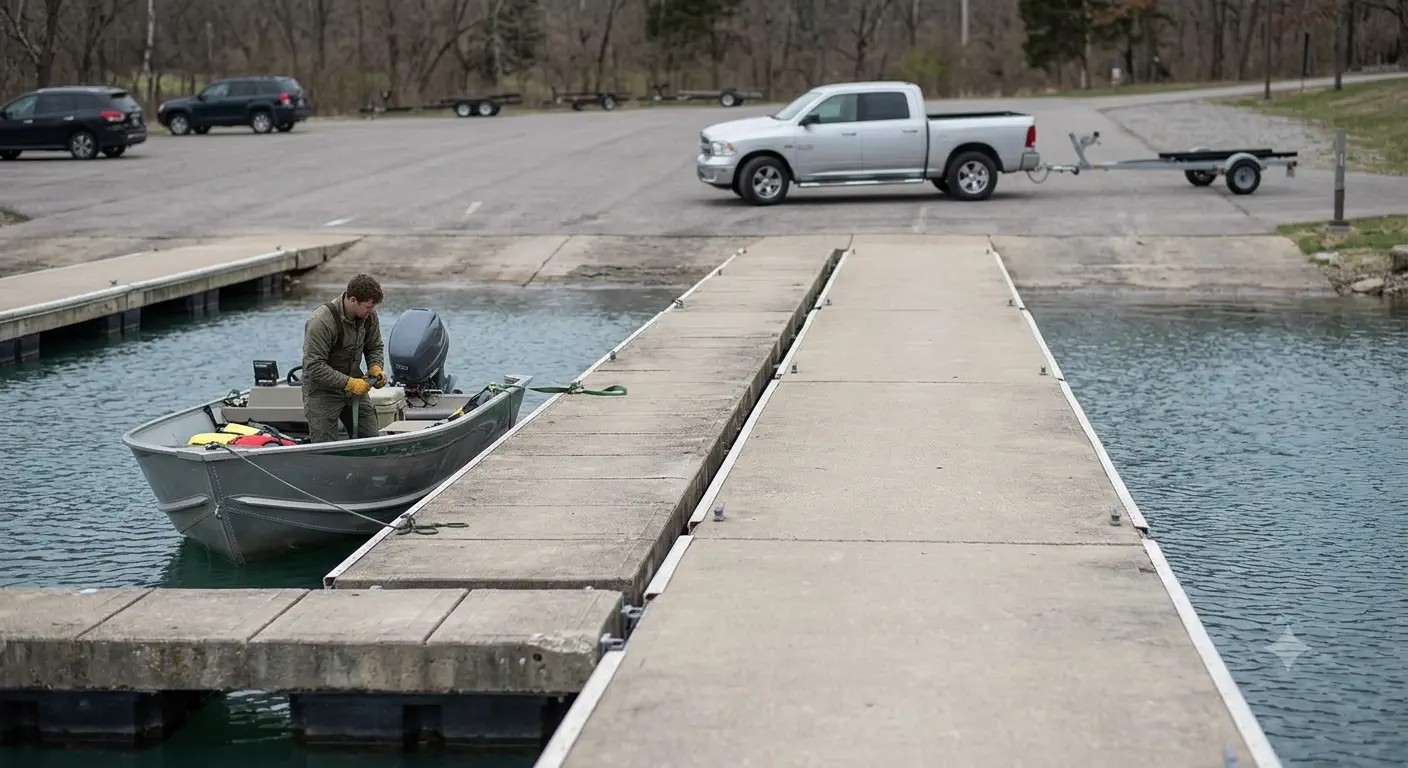
Back down, launch, and clear the lane. If the ramp has a courtesy dock, that's where you tie off and park the tow vehicle and trailer - not in the ramp lane itself. If you need to load coolers or gear onto the boat, do it at the dock, not while the trailer is still blocking the lane. Skip the temptation to gun the engine to drive the boat off the trailer ("power loading") - it chews up the ramp surface and the bottom just past it, and plenty of ramps ban it outright. If you're launching after dark, kill your headlights once you're backing down; a truck's high beams aimed straight at the dock are hard to forgive.
Retrieving
Same idea in reverse: pull the boat onto the trailer at the dock or in the water just off the ramp, load your gear there, and only pull up the ramp lane once you're actually ready to drive straight out. Don't idle in the lane while you look for straps or sort out gear - pull forward into the parking area first. If a boat is launching just as you're coming in, let them have the lane first - they only need it for a minute, which beats both of you trying to use it at once. And if the engine won't restart once you're back on the trailer, pull clear of the launch area before troubleshooting it, not while you're still sitting in the lane.
Special situations
Busy weekends
On a busy morning, the single biggest thing you can do is have your plan sorted before you're next in line - who's driving, who's handling lines, where the truck goes after launch. Ramps with only one or two lanes get backed up fast, and most of the frustration people feel isn't about any one person, it's about the total time each boat spends occupying the lane.
Single-lane ramps
If there's only one lane and someone's clearly struggling (first time out, solo launching a bigger boat), it's common courtesy to offer a hand rather than just waiting and getting frustrated - a second person catching lines or guiding the trailer speeds things up for everyone, including you.
Courtesy dock space
A stern anchor pole (a "Power-Pole" or similar) is a great tool out on the water, but it's not built for a shared courtesy dock - anchored parallel to the dock, it can add several feet to your boat's footprint, which means fewer boats fit at once on a busy day. Tie off to a cleat or piling instead, and save the anchor pole for when you're actually anchored somewhere.
Gear tip: A set of properly sized bow and stern dock lines, pre-cut and cleated, makes tying off at a courtesy dock a 10-second job instead of a fumble - which matters most exactly when there's a line behind you.
How to choose: match the diameter to your boat's size (3/8" is plenty for most runabouts and pontoons; step up to 1/2" or 5/8" for anything heavier). Get lines long enough to reach a cleat comfortably at both low and high tide or wake surge - too short and you'll be stretching; too long and you're just coiling excess rope on a busy dock. A pre-spliced eye on one end is worth paying a little extra for over a plain cut length, since it's the difference between a loop-and-go and tying a bowline while a line forms behind you.
None of this is complicated - it's mostly just "prep off the ramp, move quickly on it." The boaters who get frustrated with ramp etiquette are almost always reacting to time spent in the lane, not to anything else. Worth adding: take your trash (and any cut fishing line) with you rather than leaving it at the ramp - small thing, but it adds up fast at a popular spot.